Buyer Guide to Homes for Sale in Landings at Piney Point
May 7, 2026
May 7, 2026
If you are dreaming about life near the water, Landings at Piney Point can check a lot of boxes. But in a community like this, the right home is about more than square footage and finishes. You also need to understand boat access, HOA rules, waterfront maintenance, and what rights actually transfer with the property. This guide will help you ask smarter questions and buy with more confidence. Let’s dive in.
Landings at Piney Point is a waterfront HOA community in St. Mary’s County with a lifestyle shaped by the water as much as the homes themselves. County records identify it among waterfront subdivisions with community-pier context, which matters because pier and slip rights should be verified by lot instead of assumed from the neighborhood name.
The setting is closely tied to the river and boating lifestyle. Nearby, the Piney Point Lighthouse Museum & Historic Park offers a pier, kayak launch, boardwalk, visitor facilities, and boat access. St. Mary’s County also notes the site sits 14 miles up the Potomac River from the Chesapeake Bay, which helps explain why this area appeals to buyers who want a strong connection to the water.
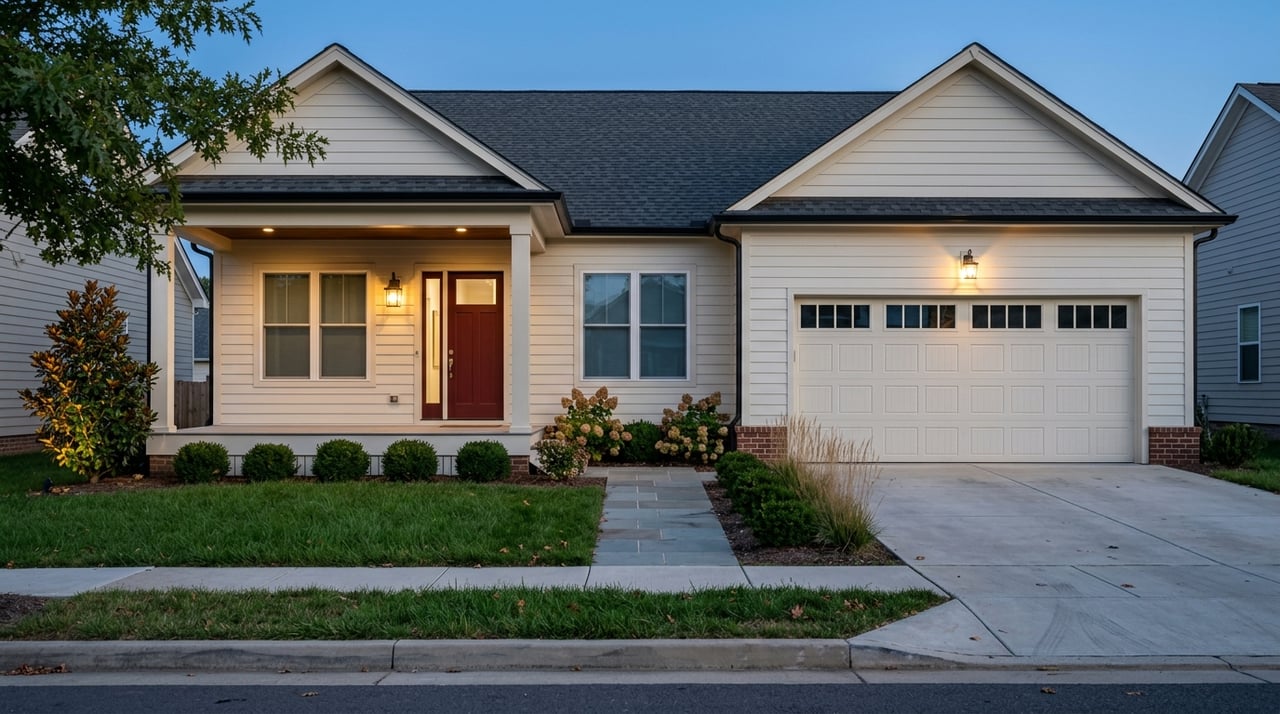
Public listing examples show that homes in Landings at Piney Point are mainly detached single-family properties. Architectural styles in recent listings range from Colonial to contemporary and contemporary coastal, giving buyers a mix of traditional and more updated waterfront looks.
Home sizes in those examples run from about 2,195 to 4,256 square feet. You will typically see roughly 3 to 5 bedrooms, with build years from 1995 through 2012. Lot sizes also vary quite a bit, from around one-third acre to more than 2 acres.
Some listings emphasize Potomac River or Piney Point Creek views or frontage, while others focus more on community access and neighborhood amenities. That difference can have a major impact on both price and long-term ownership costs.
In this community, water access is one of the biggest value drivers. Public listings show a wide range of setups, including assigned slips, deeded slips, private dock sites, boat lifts, marina views, and direct water access. Other homes may reference community water access without clearly offering a private slip.
That is why you should slow down and confirm exactly what comes with the property. Two homes in the same neighborhood can offer very different waterfront rights, even if they seem similar at first glance.
Before you make an offer, ask for clear documentation showing whether the slip conveys and how it is held. A deeded slip, an assigned slip, and a slip subject to HOA reassignment are not the same thing, and the difference can affect both value and how you plan to use the property.
The community is governed by The Landings at Piney Point Homeowners Association, Inc. Its bylaws provide for a five-member board, annual summer meetings, open board meetings with notice to members, annual assessments set before each assessment period, and maintenance of common areas.
The public HOA site also includes forms for property improvements, slip reassignment, and slip modification. That is a helpful sign that waterfront-related changes are handled through a formal process rather than informal neighbor-to-neighbor arrangements.
HOA fees are not one-size-fits-all here. Recent public listing examples show fees of $600 semi-annually, $1,596 annually, $1,700 annually, and $2,050 annually. Because of that spread, you should treat dues as property-specific and confirm the current resale packet for any home you are seriously considering.
Recent listings and HOA rules point to a set of amenities that draw many buyers to Landings at Piney Point. These often include private beach access, marina or pier access, a pool, tennis and basketball courts, tot lots or playgrounds, and RV or boat and trailer storage.
That said, amenities come with rules, and those rules matter. The HOA rules state that the beach is private and not public. They also state that the harbor and harbor entrance channel are no-wake zones, and pool use is limited to times when a lifeguard is on duty.
If boating is a priority for you, pay special attention to maintenance responsibilities. The rules state that owners are responsible for the safety and maintenance of their own boat lifts and modified finger piers, and the HOA may order removal of boats or other property that violate marina rules.
One of the smartest things you can do as a buyer is separate HOA-maintained common areas from owner-maintained waterfront improvements. That line is especially important in waterfront communities, where docks, lifts, piers, and shoreline features can bring added upkeep.
The HOA rules specifically say the HOA does not maintain modified finger piers. So if a home includes waterfront improvements, you should not assume those are covered by the association just because the property is inside the neighborhood.
This is where a careful review during due diligence can save you money and stress. You want to know what you will own, what you will maintain, and what future repairs may be yours alone.
Because Landings at Piney Point is a tidal waterfront community, waterfront due diligence should start early. Maryland defines the Critical Area as land within 1,000 feet of tidal waters and wetlands, and St. Mary’s County says its Environmental Planning Division works with state agencies to protect wetlands, waterways, and the Chesapeake Bay.
That matters because shoreline work is often more regulated than buyers expect. The county memo on private piers also listed Landings at Piney Point among waterfront subdivisions with community-pier context, reinforcing the need to verify pier rights and shoreline issues on the exact lot.
Maryland’s wetlands and waterways program says permits or authorizations are generally required for things like new piers, boat lifts, dredging a boat slip, bulkheads, or fill in wetlands or buffers. In simple terms, if a property has existing shoreline improvements, you should check permit history. If you hope to add or change something later, assume state review may be part of that process.
Flood insurance deserves its own conversation when you are buying near the water. The Maryland Insurance Administration says standard homeowners policies usually do not cover flood damage, and National Flood Insurance Program coverage separates building and contents protection.
The same source also notes that flood insurance generally does not cover piers, docks, wharves, and bulkheads, though some insurers may offer limited specialty coverage. That makes it especially important to review not only whether flood coverage is needed, but also what waterfront structures are and are not protected.
For many buyers, this is one of the biggest surprises in a waterfront purchase. A beautiful dock or bulkhead can add enjoyment and value, but it can also come with coverage limits and ongoing maintenance you need to budget for.
If the property is not served by public water and sewer, utility questions become another important part of your research. The St. Mary’s County Health Department requires perc testing before construction of structures with plumbing, and it certifies residential drinking-water wells.
The health department also says septic records can be searched through the county GIS map. That can be especially useful if you are considering an older waterfront home or thinking about future additions or renovations.
When a home has private well and septic systems, ask for records early. You want a clear picture of system age, condition, and any limits that could affect how you use the property over time.
A strong showing starts with the right questions. Before you visit a home in Landings at Piney Point, it helps to know what details matter most.
Consider asking:
In a waterfront neighborhood, your inspection mindset should go beyond the interior. Buyers should review the roof, drainage, bulkhead, dock, lift, and signs of erosion or water intrusion, then pair that review with permit and insurance research.
This does not mean every home has a problem. It simply means waterfront ownership comes with extra moving parts, and a careful buyer accounts for them before getting too far down the road.
A smart purchase is about understanding the full picture. When you know the home, the lot, the water access, and the rules around all of it, you can make a decision that fits your goals and lifestyle.
Landings at Piney Point offers a lifestyle that can be hard to match if you want water access, neighborhood amenities, and a Southern Maryland setting tied closely to the river. At the same time, this is a community where details matter. Slip rights, HOA structure, maintenance responsibility, flood coverage, and shoreline rules can all shape your experience as an owner.
That is why local guidance matters, especially in a waterfront purchase. When you have someone helping you look beyond the listing photos, you can move forward with more clarity and fewer surprises.
If you are considering a home in Landings at Piney Point, Diana Washabaugh can help you evaluate the details that matter most and guide you through the process with a local, relationship-first approach.
Stay up to date on the latest real estate trends.






Your real estate journey is unique, and I’m committed to providing the support and expertise you need every step of the way. Let’s connect and talk about your goals