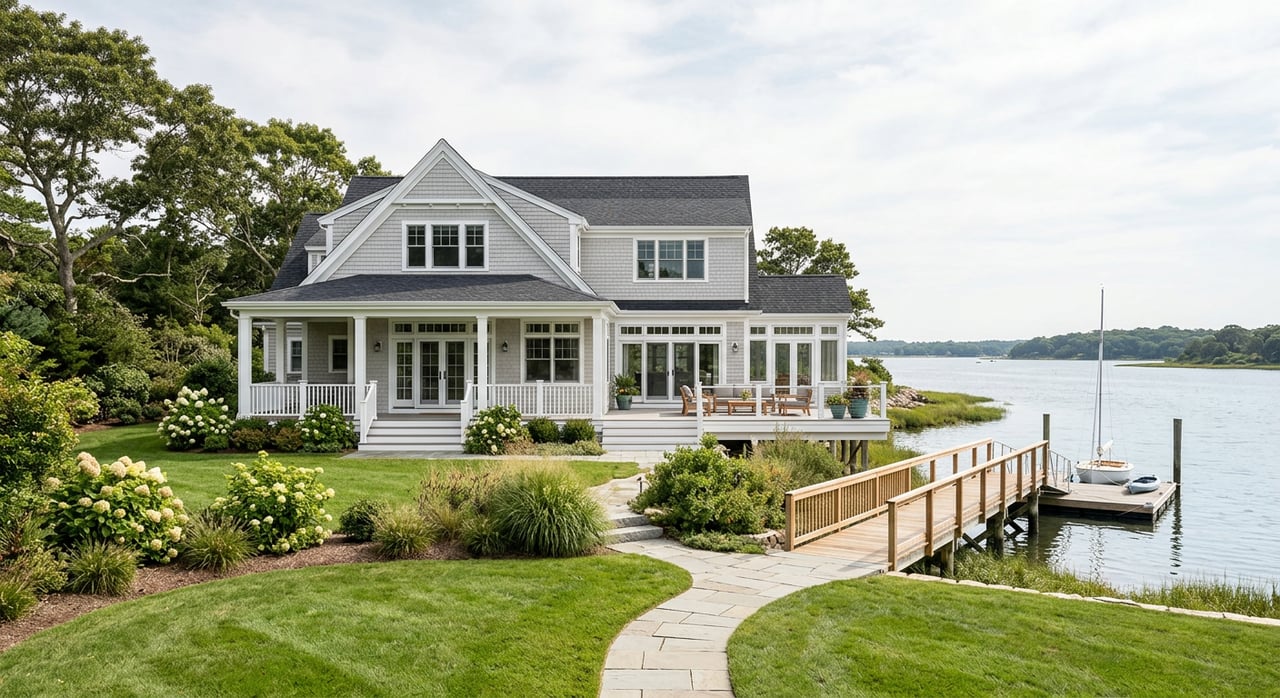
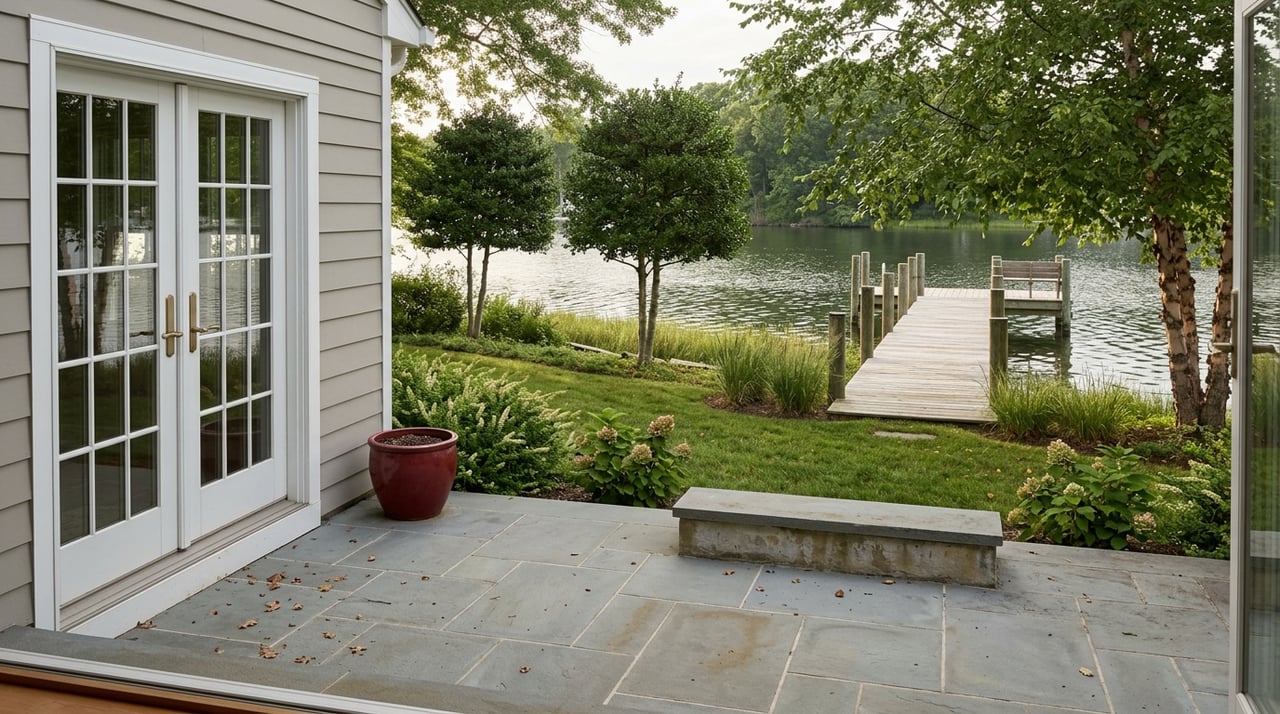
Imagine morning coffee as ospreys circle over the Patuxent, a kayak waiting on the dock, and the tide slipping past your shoreline. If you are dreaming of a waterfront home in Hollywood, Maryland, you also want clear answers about tides, piers, permits, and flood insurance. This guide breaks down how waterfront living really works here so you can shop with confidence and avoid surprises. Let’s dive in.
Hollywood waterfront at a glance
Hollywood sits along the tidal Patuxent River, with coves and creeks branching off the main channel. You will see a mix of deeper channels and shallow tidal creeks. That variety shapes how you use the water, from boating and crabbing to quiet paddles at sunrise.
Local life often centers on simple routines: timing launches around high tide, hosting friends on screened porches, and watching herons, egrets, and ospreys along the marsh edge. It feels relaxed and nature-forward, with room to breathe.
Water access and boating basics
Many residents treat the river as a year-round playground. You will find a friendly boating culture, small marinas, and easy put-ins for paddlecraft.
- Public ramps and paddling: You can launch kayaks, canoes, and small boats at nearby state and county sites. Greenwell State Park’s paddling and access area is a handy local example.
- Marinas and services: Small local marinas serve as hubs for slips, fuel, and service. Blackstone Marina on Cuckold Creek is a known option within minutes of many Hollywood neighborhoods.
- What boats fit where: Shallow-draft boats are common on creeks that run low at certain tides, while deeper-water slips cluster along protected branches and the main channel. Always confirm channel depth and the tide window before assuming a large cruiser can reach your dock.
Lots and home features
You will see three common setups:
- Deep-water parcels with private docks and quick access to the channel.
- Marsh-front lots that offer big views and wildlife watching, but limited depth for larger boats.
- Interior homes in water-access communities that rely on a community pier or ramp.
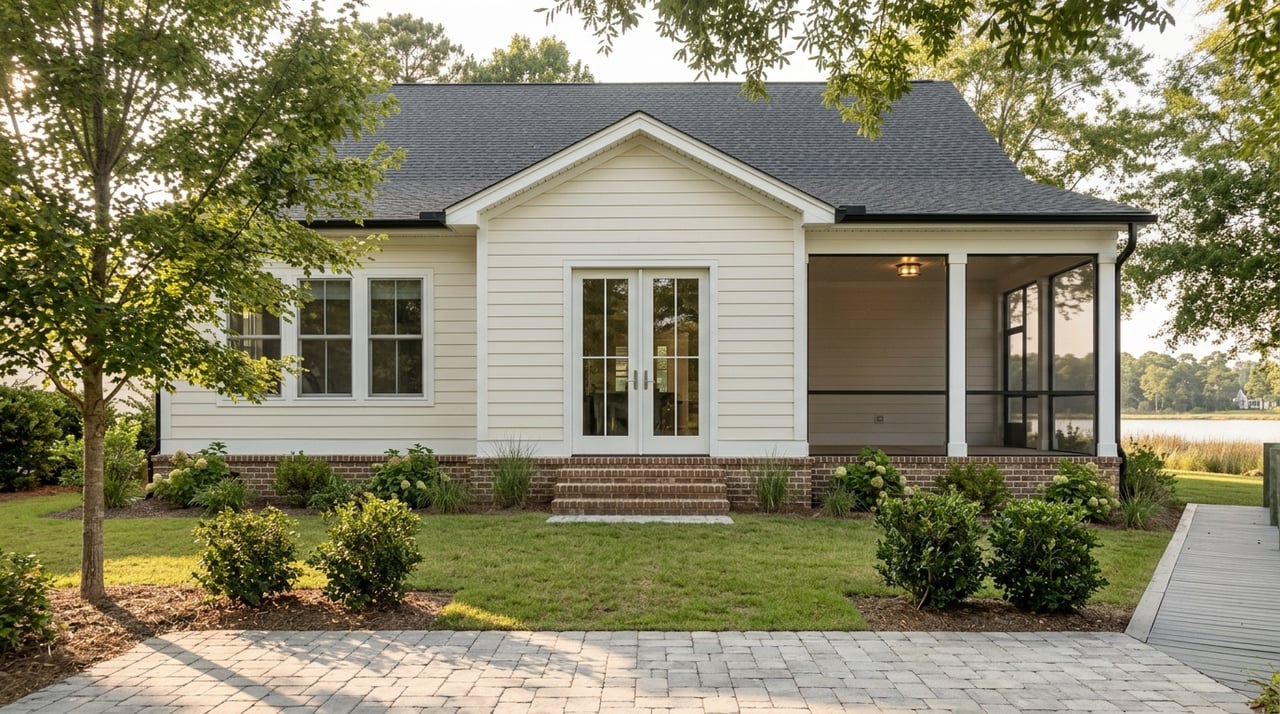
Listings often highlight screened porches, boat storage, lifts, and riparian or community landing rights. Rights and rules vary by subdivision and parcel, so always confirm recorded easements and what your deed actually grants.
Piers and permits
Piers and shoreline work are regulated at the county, state, and often federal level. Expect a multi-agency process for anything over or along tidal water.
- Permits: Maryland’s program covers tidal-wetlands authorization, and many projects involve coordination with the U.S. Army Corps plus county approvals. Learn the basics and timelines on the state’s tidal wetlands permits page. Starting early helps because reviews can take months.
- Local rules: St. Mary’s County guidance limits pier width, finger piers, moorings, and setbacks from extended property lines. Some communities use a shared pier model and may limit new private piers. Always verify the exact code and any subdivision restrictions.
- Living shorelines: Maryland supports living-shoreline design where feasible. Costs vary widely by site and wave energy, from low hundreds per foot to more than $1,000 per foot for complex projects. A site visit with qualified pros is key to setting a realistic plan and budget.
Flood, tides, and insurance
Hollywood’s waterfront is tidal, so smart buyers check both present-day flood maps and future sea-level scenarios.
- FEMA maps: Parcels inside Special Flood Hazard Areas often require flood insurance with a federally backed loan. Start with the FEMA Flood Map Service Center to see how a property is mapped.
- Future scenarios: Maryland’s Coastal Flood Explorer lets you visualize parcel-level water levels under different conditions and plan long term. Explore it on Maryland DNR’s Coastal Flood Explorer.
- Tides in daily life: Tidal timing can affect dock use and trailered launches. Local boaters track the tide and keep an eye on seasonal highs and lows as part of everyday planning.
Everyday living and nature
Quiet mornings, open skies, and night stars are part of the appeal. Lower-density pockets mean more privacy and abundant wildlife viewing. It also means you may drive a bit farther for big-box errands and see fewer sidewalks or streetlights.
A practical note for sound-sensitive buyers: Naval Air Station Patuxent River occasionally conducts testing and training. If aircraft noise is a concern, check the base’s Noise Management Program updates during your due diligence.
What to check before you fall in love
Use this simple checklist to confirm the details that matter. Each step links to an official resource.
- Flood mapping and insurance: See your property’s panel on the FEMA Flood Map Service Center. If mapped in a Special Flood Hazard Area, get insurance quotes early.
- Future water levels: Visualize high-tide and sea-level scenarios with Maryland DNR’s Coastal Flood Explorer for long-term planning and resale.
- Pier rules and permits: Confirm local allowances, authorizations, and setbacks with St. Mary’s County Land Use & Growth Management. Start with the county’s waterfront guidance and contact LUGM for current code details: St. Mary’s County LUGM waterfront development.
- Water and sewer: Check whether the parcel is inside St. Mary’s County Metropolitan Commission (MetCom) service areas for central water/wastewater. If not, plan for well and septic review. See MetCom.
- Practical boating access: Ask a local marina or marine contractor to confirm channel depth, shoaling trends, and whether a lift or slip fits your shoreline. A call to a nearby hub like Blackstone Marina is a smart move.
- Aircraft noise: If you are sensitive to sound, review schedules and advisories on the base’s Pax River Noise page.
- Shoreline history and options: Request photos and repair records. If erosion is present, study living-shoreline options and funding on Maryland DNR’s living shorelines page.
Launch points and local hubs
Want to get on the water fast after moving day? For paddlecraft and small boats, Greenwell State Park offers access close to home. For slip questions, fuel, and local boating knowledge, nearby marinas are helpful resources when planning how your boat and tides will work with a specific property.
Ready to explore homes on the water?
If waterfront living in Hollywood is calling, you deserve clear guidance from a local who understands tides, permits, community rules, and everyday life on the Patuxent. Reach out to Diana Washabaugh to talk through your goals, plan showings, and shop with a smart, step-by-step strategy.
FAQs
How do tides affect boating in Hollywood, MD?
- Many creeks run shallow at low tide, so shallow-draft boats are common. Plan launches around higher tides and confirm channel depth to your dock before buying.
What flood insurance should Hollywood waterfront buyers expect?
- If a property is inside a FEMA Special Flood Hazard Area, most lenders require flood insurance. Check the FEMA map first, then get quotes to understand cost.
Can I build a private pier in St. Mary’s County?
- It depends on local rules, property lines, and community restrictions. New pier work typically needs state tidal-wetlands authorization and county approvals.
Where can I launch a kayak near Hollywood, MD?
- Greenwell State Park provides public access for paddlers and small craft, with seasonal programs and water access points.
What should I know about NAS Pax River noise near Hollywood?
- The base posts testing and training advisories. If you are noise sensitive, review the Pax River Noise updates during your due diligence window.
How do water and sewer typically work for Hollywood waterfront homes?
- Some areas use central water and wastewater through MetCom, while others rely on well and septic. Confirm service status early and plan inspections accordingly.