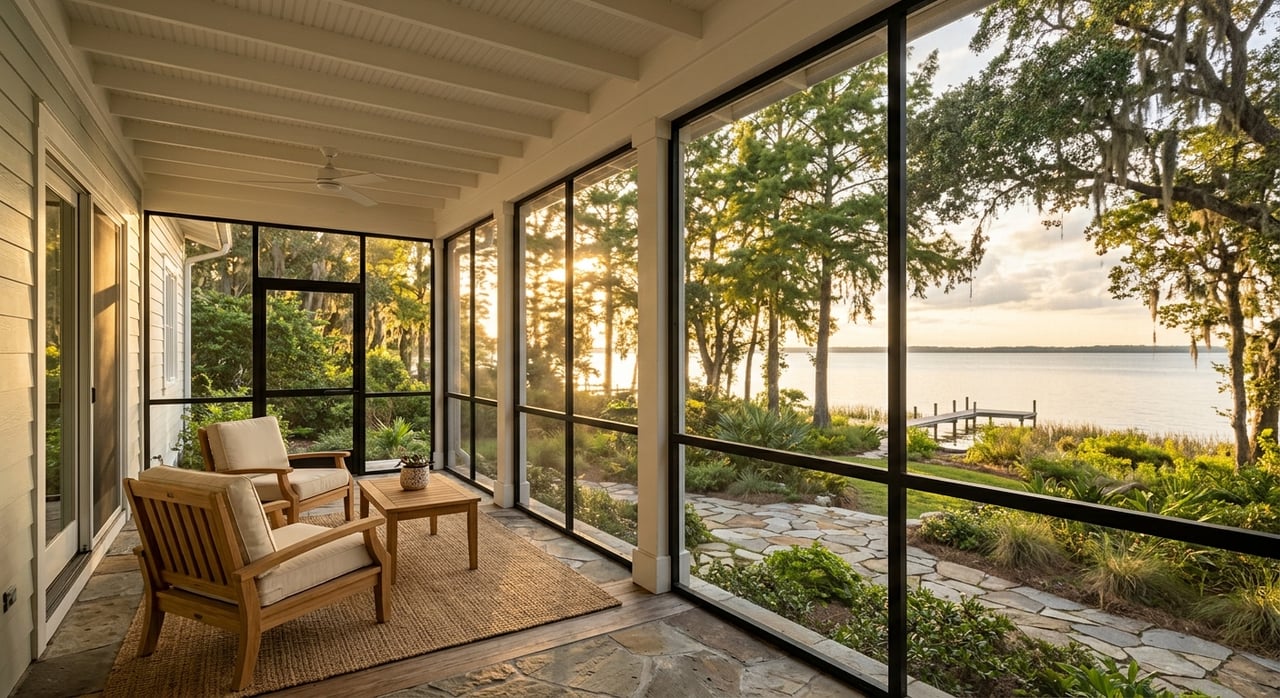
Guide to Queen Tree Landing Waterfront Homes in Mechanicsville
April 16, 2026
April 16, 2026
If you are looking at Queen Tree Landing waterfront homes, one thing matters right away: no two properties are exactly alike. In this part of Mechanicsville, a home’s value and fit often come down to the details behind the view, from waterfront type and dock rights to septic records and shoreline rules. This guide will help you understand what makes Queen Tree Landing unique, what to verify before you buy, and how to approach your search with more confidence. Let’s dive in.
Queen Tree Landing is a recognized waterfront place name in St. Mary’s County on the Patuxent River, northwest of Sandgates, and current residential listings place it in Mechanicsville 20659. County plat records also identify Queen Tree Landing as a recorded subdivision, which helps confirm that this is a real place name and not just a marketing label. You can see that context in Maryland State Archives plat materials.
For buyers, that means you are shopping in a low-density rural waterfront setting, not a large amenity-driven subdivision. According to St. Mary’s County planning documents, the area falls within the Rural Preservation District, or RPD, where low-density rural development is the guiding framework.
Queen Tree Landing does not appear to follow one standard home style or lot size. A small sample of public listings shows a mix of direct waterfront, creek-front, and deeded-access properties, with lot sizes ranging from roughly 1.4 acres to nearly 6 acres and home sizes from about 1,900 square feet to over 5,100 square feet.
That variety is important because it means you should compare homes by usable waterfront features, not just price per square foot. In this area, two homes with similar square footage can offer very different ownership experiences depending on frontage, pier setup, water depth, and access rights.
Based on recent listing language, homes in Queen Tree Landing often include features such as:
For example, one Queens Landing Road listing noted Cat Creek frontage, a private pier, boat lift, boathouse, well, septic, and RPD zoning. Another public listing described about 300 feet of waterfront and three dock slips.
One of the biggest mistakes buyers can make is treating every “waterfront” label the same. In Queen Tree Landing, the difference between direct waterfront, creek frontage, and deeded water access can have a major impact on daily use, maintenance, and long-term value.
Direct waterfront on the Patuxent River may offer a different boating and view experience than frontage on a creek. A deeded-access property may still offer water enjoyment, but it is not the same as owning the shoreline directly.
Before you make an offer, ask for clear documentation on:
These questions matter because, as the research shows, the most important differences in Queen Tree Landing often happen at the parcel level.
Queen Tree Landing sits in the Rural Preservation District, and that has practical implications for buyers. County planning materials say this framework is intended to support uses like agriculture, forestry, mineral extraction, and aquaculture, while also allowing low-density rural development. The same county planning source notes that a full range of public facilities is not generally provided or planned in this district.
In simple terms, you should expect a more rural ownership experience. That can be a big plus if you want privacy, space, and a quieter setting, but it also means you should pay close attention to private utility systems, access, and future property improvement plans.
Many Queen Tree Landing properties appear to rely on private wells and on-site septic systems based on listing information. That is common in rural waterfront areas, but it also means your due diligence needs to go beyond a standard home walkthrough.
The St. Mary’s County Health Department reviews septic construction and expansion and certifies the potability of residential drinking water wells. It also reviews well permits for setbacks from structures and contamination sources.
If you are serious about a property, try to gather:
Maryland’s property-transfer septic guidance recommends a file search, homeowner or occupant interview, site and system evaluation, and reporting. For a waterfront property, those records can tell you a lot about risk, maintenance, and potential replacement costs.
Buying waterfront property also means buying into a layer of environmental and shoreline regulations. In St. Mary’s County, the Inspections Division handles zoning, stormwater, critical area, and forest-conservation review, and the county notes that shoreline projects beginning October 1, 2025 must include a Buffer Management Plan and a Critical Area Planting Agreement. The same county notice says the Critical Area Buffer is 100 feet.
That matters if you hope to add or modify a pier, replace a bulkhead, improve a path to the water, or plan shoreline stabilization work after closing. These are not always simple weekend projects.
According to Maryland agencies, regulated or reviewed work can include:
Maryland DNR says living shorelines are generally preferred for most private shoreline properties, and the same source notes costs can range from about $100 to more than $1,000 per linear foot depending on site conditions. Maryland also requires marine contractor licensing for services like docks, lifts, bulkheads, and related marine construction.
Even within one small waterfront area, flood risk can vary from lot to lot. That is why buyers should check the exact parcel instead of relying on an old map, a prior owner’s memory, or a neighboring property’s flood zone.
FEMA identifies its Flood Map Service Center as the official public source for flood hazard mapping. Since maps can change over time, this is one of the smartest steps you can take before writing or finalizing an offer.
In Queen Tree Landing, title review is about more than ownership. You also want to confirm road access, waterfront rights, easements, dock rights, and whether any recorded covenants apply to the lot.
Maryland Courts notes that deeds are public and can be viewed through Maryland land records resources, although clerks cannot perform a title search or give legal advice. In practical terms, this is why buyers should review the recorded deed, plat, easements, and any covenant package carefully during the contract period.
At least one recent Queen Tree Landing listing stated there was no HOA, but that should not be assumed for every parcel. HOA status, restrictions, and covenant packages should always be verified on a property-by-property basis.
That is especially true in a rural waterfront setting where lots may have been developed or conveyed at different times.
If you are buying from out of town, relocating for work, or trying to move quickly, a smart document-first approach can save time and reduce surprises. Based on the research, the most helpful pre-offer or early-contract documents are:
Together, these documents can help you confirm whether the waterfront lifestyle you want is legally usable, physically maintainable, and financially realistic.
For the right buyer, Queen Tree Landing offers something many larger communities do not: space, shoreline access, and a more private rural setting. Public listings suggest this is a place where buyers often value acreage, boat-oriented utility, and flexibility for things like extra parking or storage.
One recent sold listing even highlighted room for RVs, trailers, and boats, along with no HOA noted in the listing. That kind of feature set can be attractive if your priorities center on waterfront living rather than subdivision amenities.
If Queen Tree Landing is on your radar, the biggest takeaway is simple: focus on the parcel, not just the photos. Waterfront type, dock rights, flood mapping, shoreline permits, and well and septic condition can all shape how you use the property and what ownership will really cost over time.
With a rural waterfront purchase, careful review upfront can make all the difference. If you want local guidance as you compare Queen Tree Landing homes and sort through the details that matter most, connect with Diana Washabaugh for thoughtful, hands-on support tailored to Southern Maryland buyers.
Stay up to date on the latest real estate trends.

Your real estate journey is unique, and I’m committed to providing the support and expertise you need every step of the way. Let’s connect and talk about your goals