
Guide to Buying in Leonard's Grant 20650
January 15, 2026
January 15, 2026
Thinking about moving up in Leonard’s Grant but not sure where to start? You want more space, a practical layout, and a neighborhood that fits daily family life without adding stress to your commute. In this guide, you’ll learn what to expect from homes in Leonard’s Grant, how the HOA and amenities work, how to assess walkability and schools, and how to write a competitive, contingency‑smart offer in 20650. Let’s dive in.
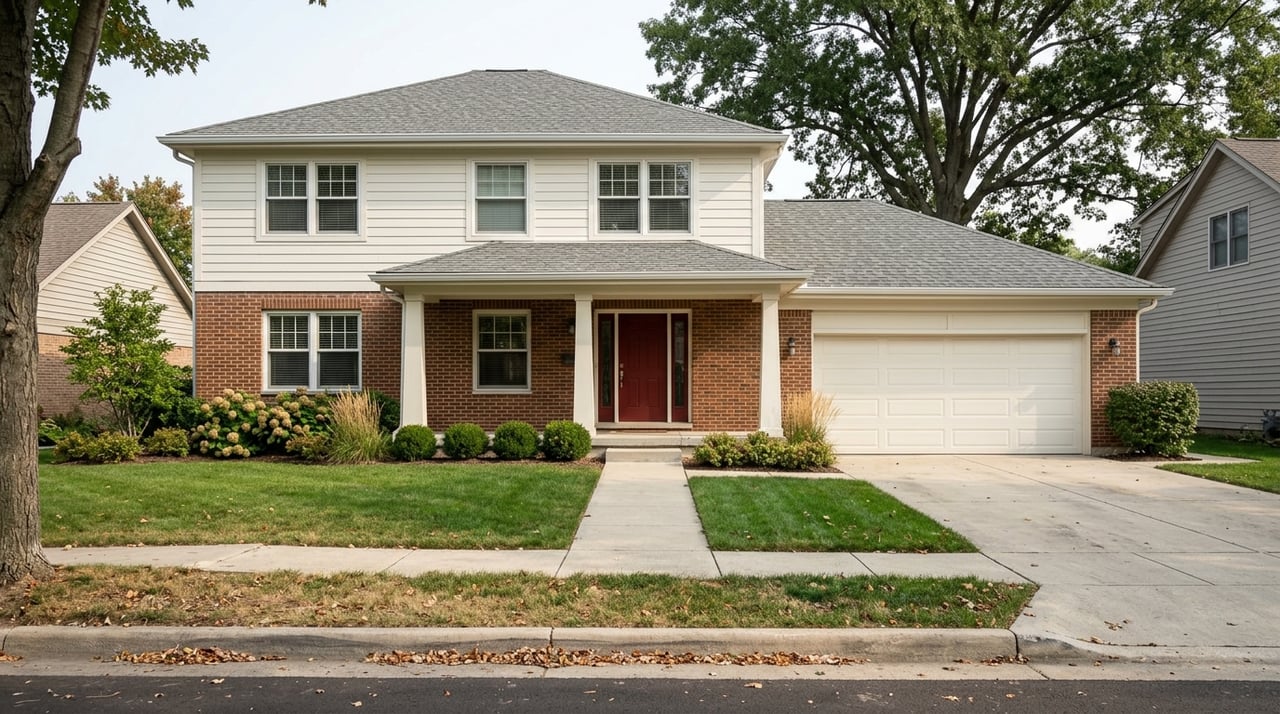
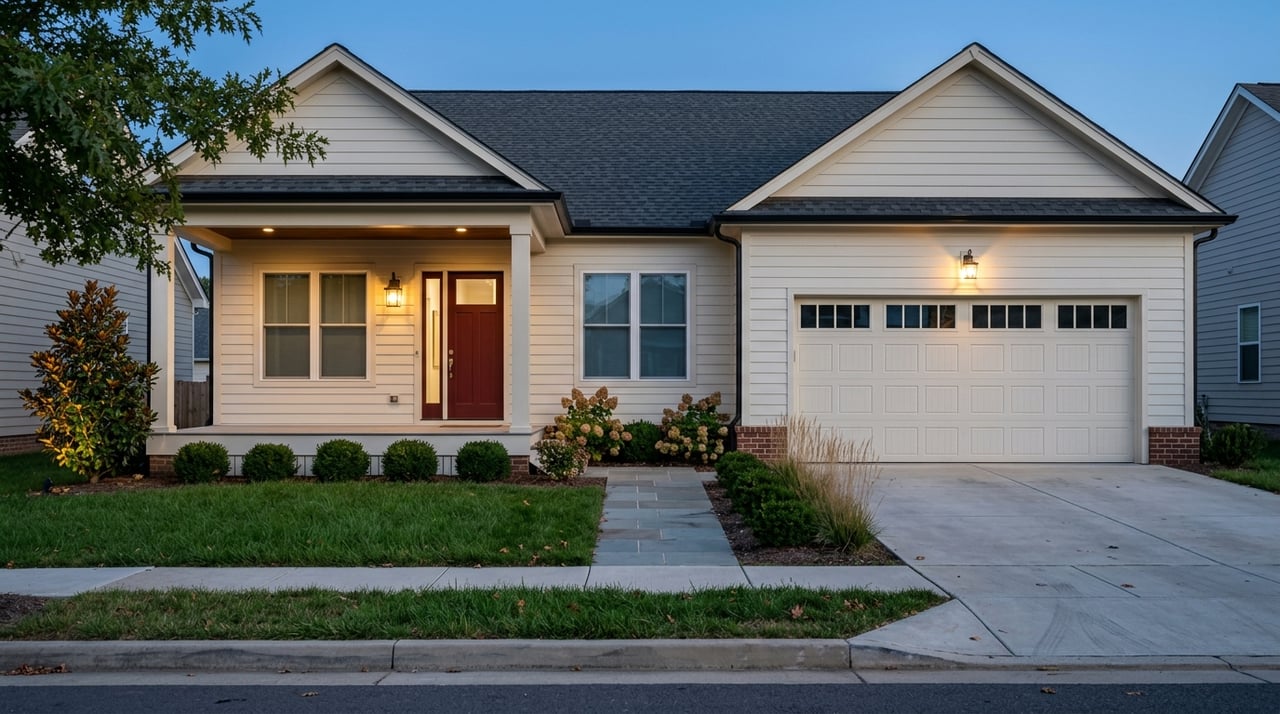
You will typically see a mix of single‑family homes and townhome or carriage‑style options in suburban Leonardtown neighborhoods like Leonard’s Grant. Many homes offer 2 to 4 or more bedrooms and are designed with growing families in mind. Pay close attention to the primary suite location, since some buyers prefer main‑level suites for accessibility and privacy.
For day‑to‑day living, yard size and fencing often matter more than square footage alone. Consider how you plan to use outdoor space for play, pets, and gatherings. Basements can add storage and future finished space, while garages and driveway parking help manage multiple vehicles and family gear.
Inventory in and around Leonardtown can include both resale homes and new construction from regional builders. Your negotiation strategy, deposit schedule, and contingency choices will look different for each. Confirm which type you are targeting upfront so you can prepare the right offer plan and timeline.
Start by clarifying whether the community operates under a single association or has a master association. Ask what the monthly or annual fee covers, such as common area maintenance, trash, snow removal, or shared facilities. Also check the payment schedule and any history of special assessments.
Review the CC&Rs and rules for exterior appearance, fence and shed guidelines, and any outbuilding or satellite dish restrictions. If you expect to rent in the future, confirm rental policies and any pet rules. Understand the architectural review process and typical approval timelines before planning exterior changes.
Amenities can support lifestyle and long‑term value. Look for features like a playground or tot lot, sidewalks and street lighting, and any pool or clubhouse access. Sidewalk networks and public green space often help with daily routines and can be a selling point when you eventually move.
Why this matters: weak reserves or pending capital projects can lead to surprise assessments. Restrictive rules can limit how you use or improve your home.
Walkability in suburban Leonardtown neighborhoods is typically moderate. You may find sidewalks and short routes to neighborhood parks or tot lots, but most errands will likely require a short drive. When touring, check sidewalk continuity, curb ramps, street lighting, and sightlines so you are comfortable walking with strollers or bikes.
School assignments can change with boundary adjustments. Verify current assignments with St. Mary’s County Public Schools before making decisions. Also map distances to daycare, preschools, pediatricians, after‑school options, youth sports fields, and library branches to understand how your weekly schedule will flow.
Test drive your key routes at peak times, especially if you commute to employment centers like Patuxent River Naval Air Station or shopping hubs around Leonardtown. Transit is limited in many suburban areas, so plan on driving for most errands and activities. Check how quickly you can reach major routes and any available park‑and‑ride locations.
Resale listings can allow more room to negotiate on price, repairs, and closing timelines, especially in balanced conditions. If inventory is tight or a home is well priced, multiple offers are more likely and buyers often consider escalation clauses or appraisal gap language. With new construction, builders usually set standard prices, upgrade menus, deposit schedules, and delivery windows, and they may offer changing incentives like rate buydowns or closing cost help.
Move beyond basic preapproval toward conditional or pre‑underwritten approvals if your lender offers them. Shorten timelines where it is practical, like inspections or loan contingency periods, while still preserving key protections. Limit repair requests to major systems and health or safety issues in competitive scenarios, and consider credits at closing to simplify negotiations.
Waiving inspections or financing contingencies increases your risk. If the appraisal comes in low, appraisal gap language transfers some price risk to you. Keep a septic and well inspection contingency when applicable, since private systems can involve specialized maintenance and costs.
Buying in Leonard’s Grant is about matching a family‑friendly layout with smart terms that protect your budget and timeline. I guide you through verifying HOA scope and reserves, testing routes to schools and services, and balancing competitiveness with the right contingencies. You get clear offer strategies for resale and new construction, plus local inspectors, lenders, and timelines that fit your goals.
If you are getting ready to buy in 20650, I would love to be your coach and advocate from first tour to keys in hand. Let’s talk about your move‑up plan and build a winning offer strategy for Leonard’s Grant. When you are ready, reach out to Diana Washabaugh for personal guidance.
Stay up to date on the latest real estate trends.

Your real estate journey is unique, and I’m committed to providing the support and expertise you need every step of the way. Let’s connect and talk about your goals