Are you watching the St. Mary’s County market and wondering why some homes fly off the market while others sit? You’re not alone. Between NAS Patuxent River, waterfront demand, and rural inventory, our local market moves in distinct patterns that can be hard to decode. In this guide, you’ll learn how the county’s micro-markets work, when to make your move, and what to watch so you can act with confidence. Let’s dive in.
St. Mary’s micro-markets at a glance
St. Mary’s County is not one market. It’s a set of smaller markets that behave differently:
- Base-adjacent neighborhoods near NAS Patuxent River where military and contractor demand drives steady activity.
- Historic core around Leonardtown, where walkable lifestyle and civic amenities draw consistent interest.
- Waterfront and tidal-creek communities with higher price dispersion and seasonal buyer pulses.
- Rural and exurban areas with larger lots and septic/well systems that sell on a slower rhythm.
- New construction corridors and master-planned communities that follow builder release schedules.
Understanding which segment you’re in sets the right expectations for pricing, timing, and negotiations.
Base-adjacent neighborhoods: what to expect
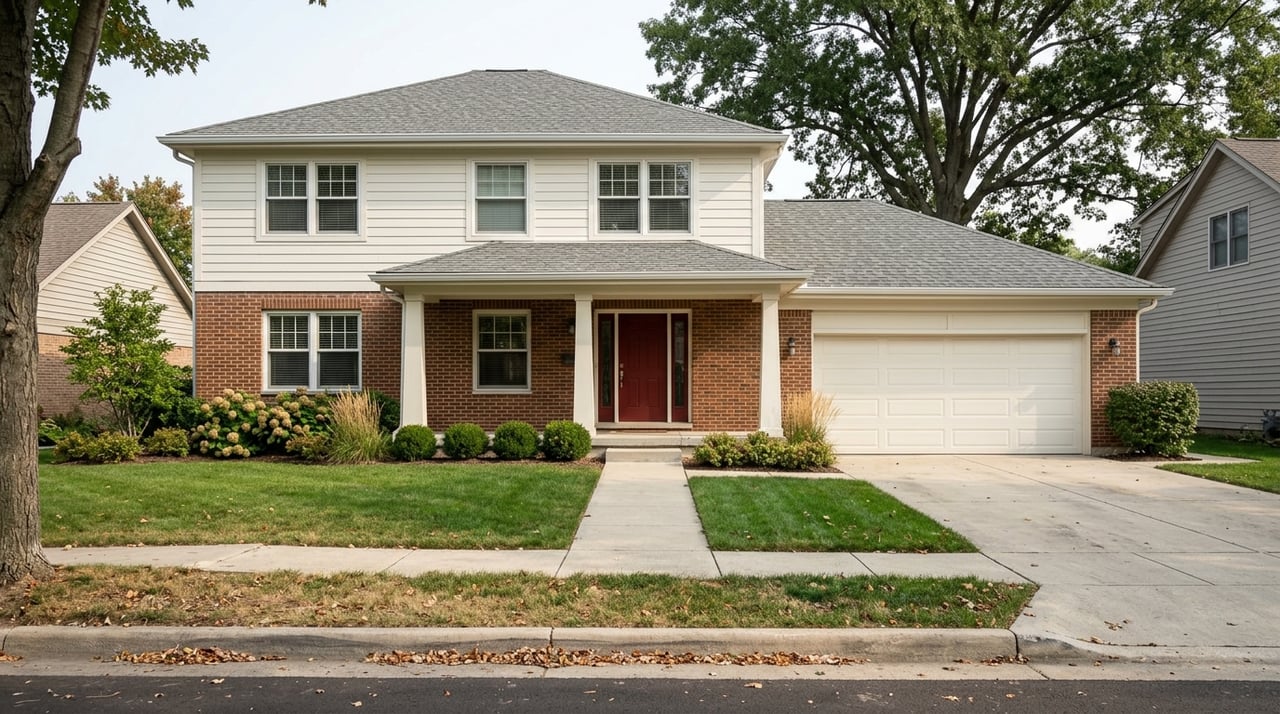
Neighborhoods around Lexington Park and Great Mills see reliable demand from NAS Pax River. PCS cycles and contractor project timelines create predictable buyer and renter flows. You will often see more turnover here than in rural areas.
For sellers, that means steady traffic across most of the year and sharper activity during primary PCS windows. For buyers, timing matters. If you shop ahead of a PCS wave, you may find less competition. Pay close attention to property condition, since older homes in these pockets can raise inspection questions.
Waterfront and tidal-creek homes: value and risk
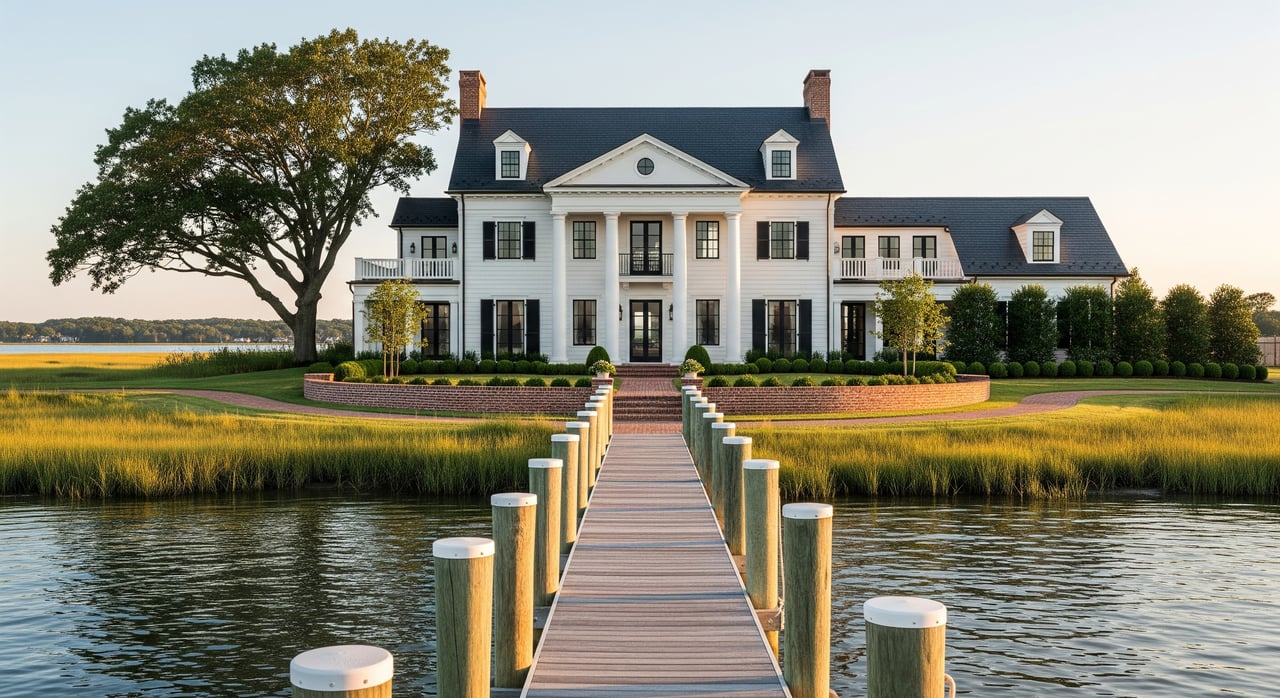
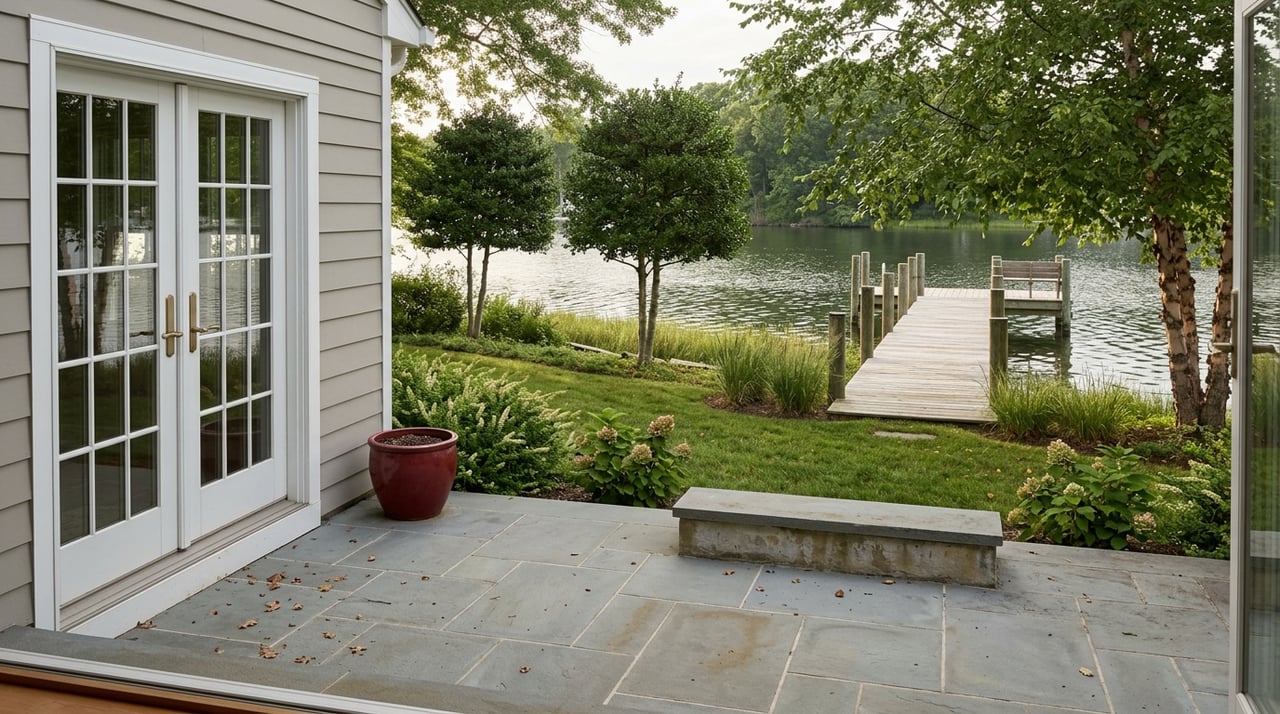
Water proximity is a major value driver in St. Mary’s County. Homes with direct access, protected coves, or deeper water can command meaningful premiums. Buyer interest often peaks from spring through early fall when boating is top of mind.
With that premium come extra considerations. Flood zones, insurance costs, shoreline stability, and septic vs. sewer can shape financing and long-term affordability. Inventory is naturally limited by environmental rules and the amount of usable shoreline, which is why prices vary widely. If you are buying, secure flood and shoreline information early. If you are selling, providing elevation certificates and clear disclosures helps reduce friction.
Leonardtown and walkable cores
Leonardtown’s historic downtown and nearby infill areas attract buyers who value civic amenities, restaurants, and community events. Renovated homes and new builds near services often compete well, even when other segments cool. This area is usually less tied to base rotation and more to lifestyle and convenience.
Rural and exurban areas
From Mechanicsville to Ridge and other outlying pockets, larger lots and a quieter pace lead the story. Many properties here rely on septic and well rather than public utilities. Turnover can be slower and days on market longer for niche parcels, especially outside the main listing months.
If privacy and land are your priorities, you’ll weigh tradeoffs like commute time and utility type. If you plan to build or expand, feasibility, perc testing, and topography matter a great deal.
New construction and master-planned communities
Where public sewer and water exist, you’ll find newer subdivisions designed for families and move-up buyers. Pricing follows builder strategies, material costs, and lot releases. If you prefer warranties and modern layouts, these neighborhoods offer predictable options, though builder incentives and inventory can shift with regional construction cycles.
Seasonality and timing in St. Mary’s
Most years follow a familiar rhythm:
- Spring: The main selling season. New listings rise, showings pick up, and many households position for summer moves.
- Summer: Activity stays solid, with PCS-related demand supporting both rentals and sales. Waterfront showings remain strong.
- Fall: Competition eases. Motivated buyers sometimes find opportunity as listing volume cools.
- Winter: The quietest stretch. Inventory dips and serious buyers may gain negotiating leverage.
Waterfront segments are more seasonal, while base-adjacent areas show steadier demand with summer spikes.
Metrics that matter right now
When you track the market, focus on the signals that actually explain movement:
- Active listings show raw supply. Seasonal increases are normal, but a sustained buildup can indicate softening.
- New listings vs. pendings helps gauge pressure. If new listings consistently outpace pendings, expect longer days on market.
- Months of inventory (MOI) is key. Under roughly 3 months favors sellers, about 3 to 6 is balanced, and over 6 favors buyers. Always check MOI by micro-market.
- Median sold price and price per square foot reveal direction. Month-to-month swings on the waterfront are common due to fewer high-end sales.
- DOM and sale-to-list ratio measure heat. Faster sales near list price show stronger demand.
- New-home permits and active builder inventory point to future supply.
Pricing drivers and appraisal realities
Price in St. Mary’s is shaped by a mix of location and property specifics:
- Location and access: Proximity to NAS Pax River, Leonardtown, and major roads carries a clear premium.
- Water access type: Direct deep water, protected coves, and private slips rank higher than limited or indirect access.
- Lot and infrastructure: FEMA flood zone, shoreline condition, septic capacity vs. public sewer, upland area, and topography all affect value and financing.
- Home age and condition: Roof, HVAC, foundation, and the quality of updates matter. Renovated historic homes can earn premiums.
- Comparable sales: Waterfront and unique properties often require a wider comp search. Appraisals can involve more adjustments, which adds subjectivity.
If you are buying, confirm your lender’s criteria early for waterfront and septic properties. If you are selling, gather documentation about utilities, flood, and shoreline conditions to support pricing and appraisal.
Buyer playbook for St. Mary’s County
- Clarify tradeoffs: commute vs. price, waterfront lifestyle vs. maintenance and insurance, septic vs. public sewer.
- Time your search: aim ahead of major PCS waves for more options or be ready to act fast during peak windows.
- For waterfront: secure flood zone info, insurance estimates, and shoreline assessments early.
- For rural or unique parcels: verify septic feasibility and any permits you may need for future plans.
- Watch micro-market MOI and DOM instead of countywide averages so you bid with the right expectations.
Seller playbook for stronger outcomes
- Time the market: list in spring for broad appeal; waterfront often benefits from early spring exposure. Base-adjacent sellers can align with PCS calendars.
- Prep the file: provide recent service records, septic details, and, for waterfront, elevation certificates and shoreline condition notes.
- Price by segment: rely on micro-market comps and adjust for water access type, utilities, and condition.
- Market the lifestyle: highlight commute convenience near the base, walkability near Leonardtown, or boating benefits for waterfront.
- Stay agile: monitor new listings vs. pendings and adjust strategy if showings stall.
Local guidance that simplifies your move
Whether you are moving with a timeline, sizing up for a growing household, or eyeing a tide-friendly pier, your success comes from reading the micro-market you are in. With the right planning and documentation, you reduce surprises, gain negotiating clarity, and move at the pace your life requires.
If you want a clear plan tailored to your neighborhood and goals, connect with Diana Washabaugh. You’ll get local guidance, modern tools, and a steady advocate from first consult to closing.
FAQs
How does NAS Pax River impact home demand near the base?
- PCS cycles and contractor projects create reliable buyer and renter flows, which often keep base-adjacent neighborhoods active across most of the year.
What makes waterfront pricing vary so much in St. Mary’s?
- Water access type, flood zone, shoreline condition, and limited shoreline supply drive wide price differences and seasonal buyer interest.
When is the best time to list a waterfront home locally?
- Early to mid-spring typically captures peak seasonal interest that runs into early fall, especially for boating-focused buyers.
What should rural buyers check before writing an offer?
- Confirm septic and well details, feasibility or perc testing, topography, and access to roads and broadband based on your needs.
Which market metrics should I watch to judge competition?
- Track months of inventory and the ratio of new listings to pendings in your specific micro-market, plus days on market and sale-to-list ratio.
How can sellers reduce appraisal risk on unique or waterfront homes?
- Provide thorough documentation on utilities, flood and elevation, shoreline condition, and recent comparable improvements to support value.