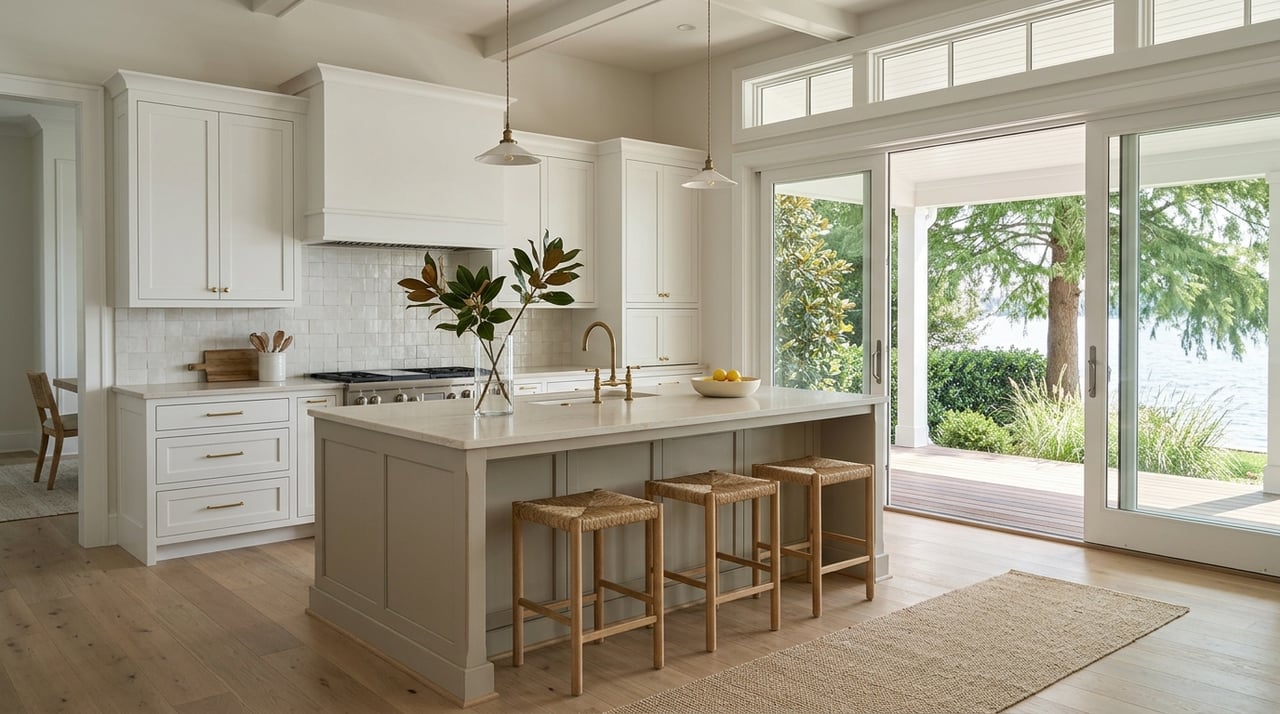
Preparing A Luxury Waterfront Home In Queen Tree Landing
July 9, 2026
July 9, 2026
If you are getting ready to sell a luxury waterfront home in Queen Tree Landing, preparation matters more than ever. Buyers at this price point are not just looking at square footage or finishes. They are also paying close attention to the shoreline, water access, records, and how confidently the property has been presented. A smart plan before you list can help you protect value, reduce stress, and make your home stand out for the right reasons. Let’s dive in.
Queen Tree Landing is a documented place in St. Mary’s County with subdivision history and a location on the Patuxent River. That local waterfront setting is a major part of the home’s appeal, but it also adds extra layers to the selling process.
Luxury buyers often expect more than a beautiful interior. They tend to look for premium location, high-end finishes, customized storage, strong outdoor living, and features that support everyday comfort and entertaining. In a waterfront sale, that means your view, dock or pier access, shoreline condition, and exterior presentation all become part of the story.
In April 2026, St. Mary’s County homes averaged 27 days on market, and detached homes averaged $510,324. A luxury waterfront home in Queen Tree Landing may follow a different path because the buyer pool is smaller and the pre-listing checklist is often more detailed.
One of the best things you can do is gather your records before photos, showings, and pricing discussions begin. Waterfront buyers often want to understand not just the home itself, but also the systems, permits, and site history tied to the property.
Maryland requires sellers of applicable single-family homes to provide either a disclosure statement or a disclaimer statement before a contract is signed. The state form also makes clear that a seller disclosure is not a substitute for an independent home inspection.
If you choose a disclaimer, Maryland law still requires disclosure of latent defects you actually know about that create a direct threat to health or safety. That is why it helps to review your records early and talk through any known issues before your home hits the market.
Having these items ready can make your listing feel more organized and credible. It also helps serious buyers move forward with fewer surprises.
Waterfront buyers usually ask detailed questions about private systems. If your home has a private well, Maryland says homeowners are responsible for well safety and should sample annually.
For septic, Maryland now requires licensed inspectors to conduct on-site sewage disposal property-transfer inspections. Even if your system has been working well, pulling together records ahead of time can save you time later and help buyers feel more comfortable making an offer.
If you do not have recent paperwork, this is the stage to schedule it. Waiting until you are under contract can create avoidable pressure.
Waterfront improvements can be a value driver, but they can also raise buyer questions fast. If you have done shoreline work, dock work, dredging, filling, or other improvements near the water, the permit history matters.
Maryland regulates shoreline work closely. Work below the average high tide line in tidal wetlands or tidewater requires an MDE permit, and shoreline erosion control projects, piers and associated structures, dredging, filling, and alteration may all require application materials.
DNR says living shorelines are the preferred shore-protection method in Maryland. If a structural shoreline stabilization project was used instead, there should be an approved waiver with the tidal wetlands license.
If your shoreline needs attention, decide early whether you want to repair it, disclose the condition, or price with that reality in mind. DNR says living shoreline costs can range from about $100 per linear foot to more than $1,000 per linear foot depending on site conditions.
In St. Mary’s County, the Critical Area includes land within 1,000 feet of the mean high-water line of tidal waters or the landward edge of tidal wetlands. Maryland’s Critical Area Buffer also adds a minimum 100-foot vegetated buffer adjacent to tidal waters, tidal wetlands, and tributary streams.
That does not mean there is a problem with your property. It does mean buyers may want clarity about improvements, buffer areas, and any past approvals tied to the site.
Floodplain status is also worth checking early. If your home or an improvement is in the mapped 100-year floodplain, local jurisdictions issue permits for development there, and elevated structures need an elevation certificate on file.
An elevation certificate can be a practical buyer-confidence document. If you already have one, keep it easy to access during the listing process.
Before listing, many sellers wonder whether they should renovate. In most cases, the most effective prep is not a major remodel. It is a clean, polished presentation that helps buyers focus on the waterfront lifestyle and the home’s craftsmanship.
NAR’s 2025 staging report found that 29% of agents said staging increased the dollar value offered by 1% to 10%, and 49% said staging reduced time on market. The same report found that the most common seller recommendations were decluttering, cleaning the entire home, and improving curb appeal.
That advice fits Queen Tree Landing especially well. Buyers want to see the home, the light, the views, and the outdoor spaces without distraction.
If your home already has custom trim, built-ins, quality storage, or upscale finishes, make sure those features are highlighted rather than hidden. Luxury value often lives in the details.
For a waterfront property, outdoor living is not secondary. It is one of the main reasons buyers are interested in the home.
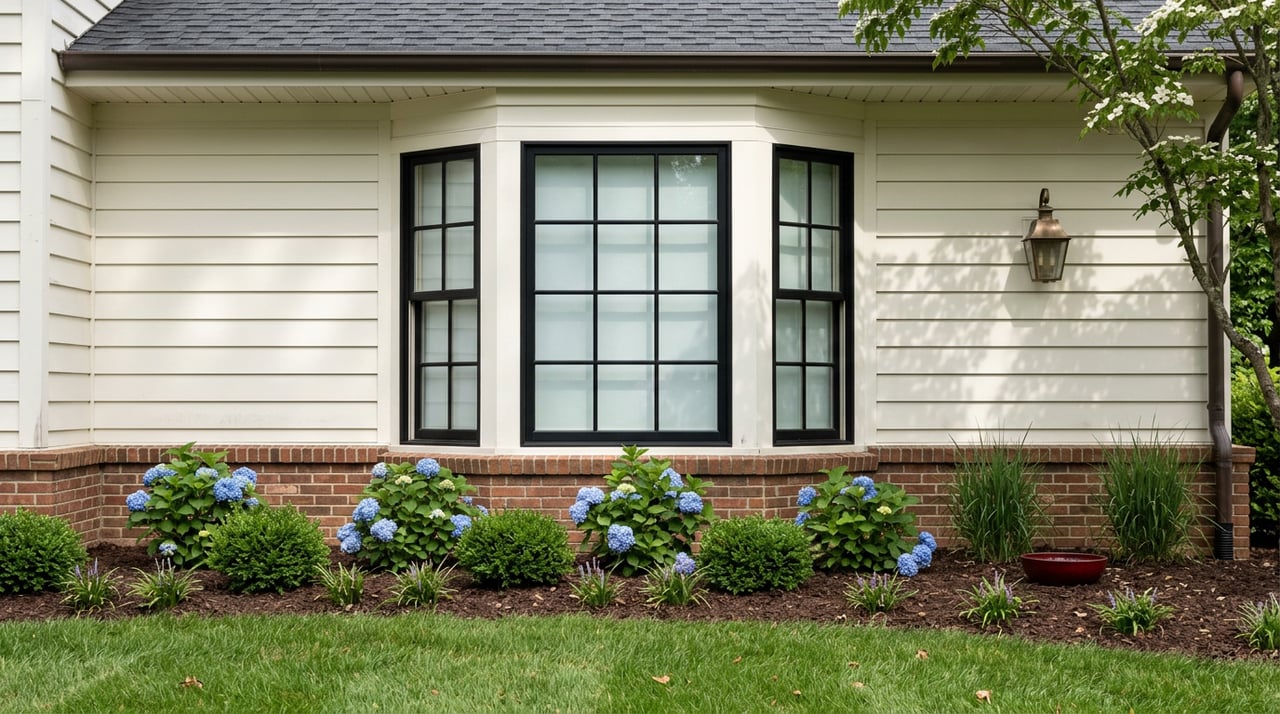
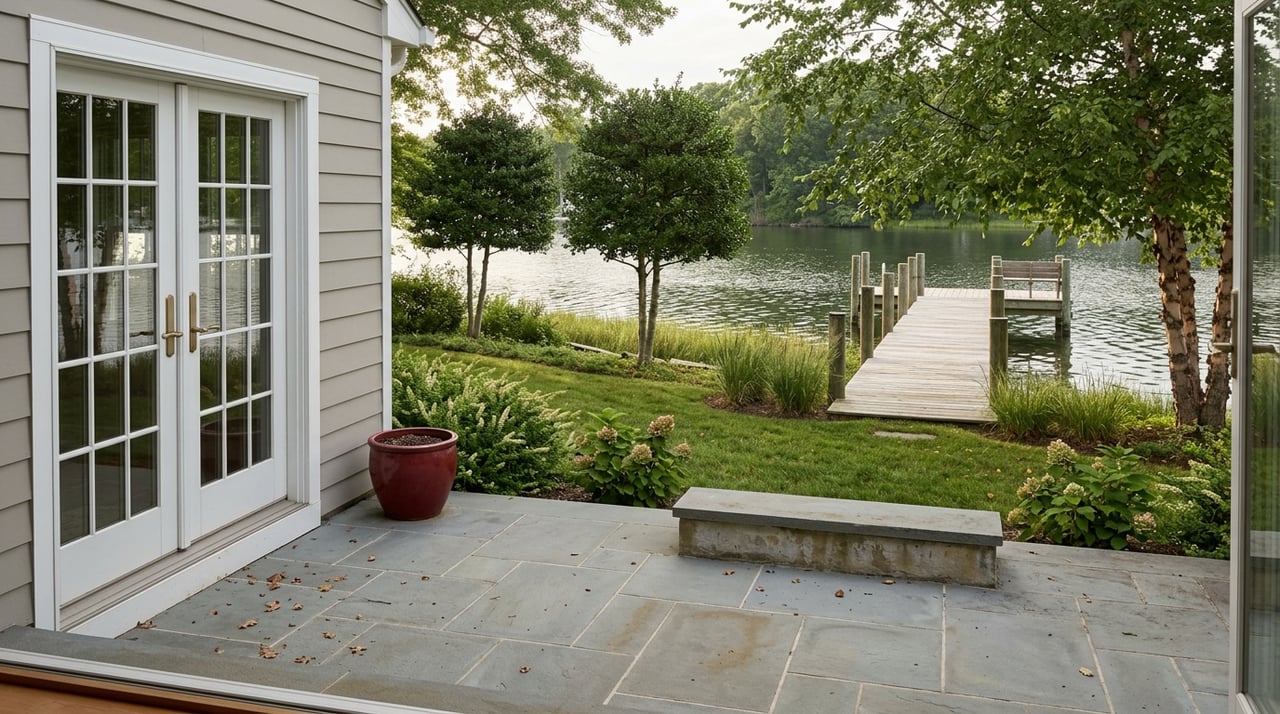
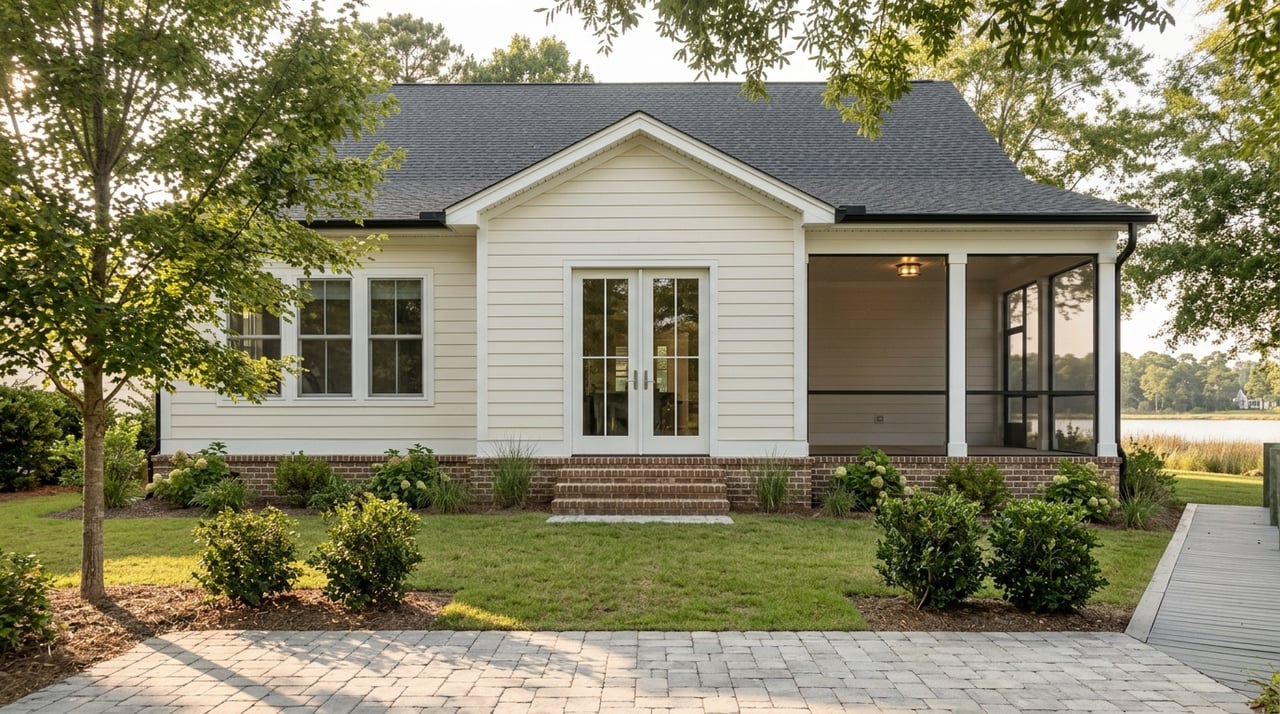
Luxury buyers often want vacation-like backyards and spaces that feel useful, relaxing, and ready for entertaining. In Queen Tree Landing, that means preparing the deck, porch, shoreline path, dock, seating areas, and view corridors with the same care you give the kitchen or primary suite.
If your property includes a living shoreline, basic upkeep also matters for presentation. DNR recommends removing invasive species, picking up debris after heavy storms, and checking for damage while the shoreline is establishing.
Luxury waterfront homes need strong visuals from day one. Buyers often form their first opinion online, and your media package helps them understand both the property and the lifestyle.
NAR found that buyer’s agents rated photos, physical staging, videos, and virtual tours as highly important to clients. That matters even more with waterfront homes, where views, flow, and outdoor amenities are central to the experience.
Your goal is to make the home feel bright, calm, and complete. Photos should capture natural light, water orientation, craftsmanship, and the connection between interior rooms and the outside.
Once you list, the standard should stay high. Waterfront luxury buyers are often evaluating the full experience, not just whether the home checks a list of basic boxes.
That means your home should stay tidy, uncluttered, and easy to tour. Window treatments should support the view, outdoor spaces should remain clean, and records should be ready when a serious buyer starts asking thoughtful questions.
A show-ready home also helps inspectors, appraisers, and buyers move through the process with less friction. In a luxury sale, smoothness matters.
One of the biggest mistakes sellers make is underestimating how long waterfront prep can take. Even in a market where St. Mary’s County averaged 27 days on market in April 2026, the pre-listing stage for a luxury waterfront property may need more time.
That extra lead time often goes toward gathering disclosures, updating well or septic records, confirming permit history, preparing the shoreline or dock area, and polishing the home for photography and showings. Starting early gives you more control over the process.
Preparing a luxury waterfront home in Queen Tree Landing is about more than making the house look nice. It is about presenting a complete, well-documented property that helps buyers feel informed and excited.
When you combine early due diligence, thoughtful staging, strong visuals, and a polished waterfront presentation, you give your home the best chance to attract serious interest. If you want a local advisor who understands how Southern Maryland waterfront details affect pricing, prep, and buyer confidence, connect with Diana Washabaugh.
Stay up to date on the latest real estate trends.



Your real estate journey is unique, and I’m committed to providing the support and expertise you need every step of the way. Let’s connect and talk about your goals